June 27, 2025, Kathmandu
Youth leaders and stakeholders have called for greater investment in young people and youth-friendly
climate governance, emphasizing the importance of ensuring youth participation in local policymaking, especially on
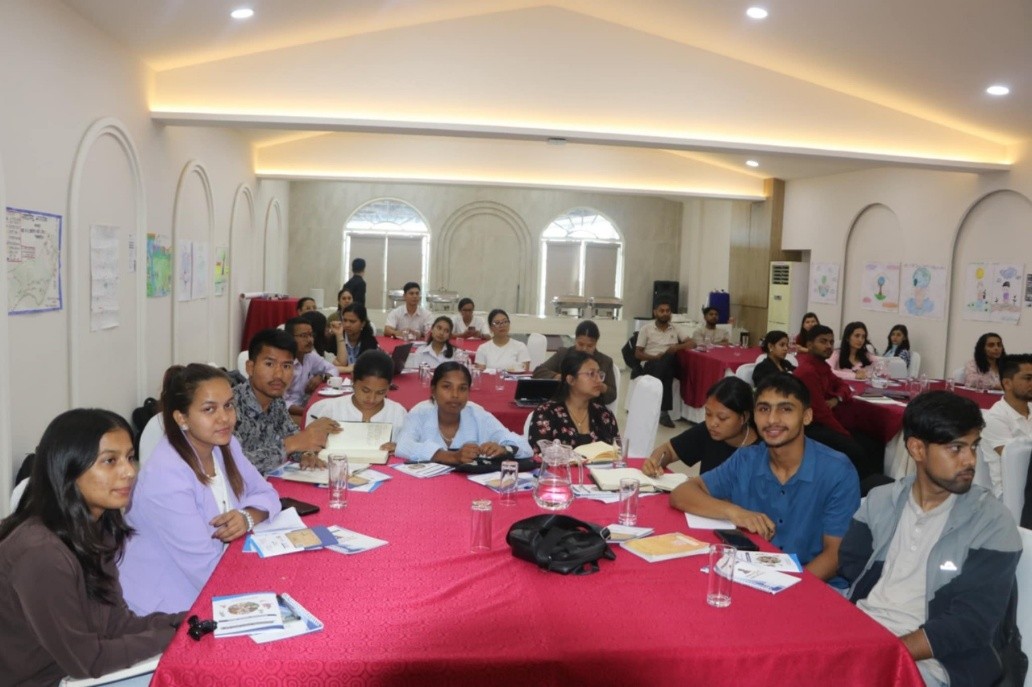
climate and environmental issues. This call to action came during the National Workshop on Youth, Climate
Change, and GESI, organized under the Youth
for Climate and Social Action (YCSA) project by Jagriti Child and Youth Concern Nepal (Jcycn)
in collaboration with the British Council Nepal on June 27 in Kathmandu.
Jagriti Child and Youth Concern Nepal (Jcycn) is a youth-led, non-profit organization
established in 2001. It advocates for the rights of children and youth through various community-
focused strategies, including child- and youth-friendly local governance and climate action.
Jcycn works in partnership with national and international stakeholders to promote sustainable
development, peace, and prosperity. It aims to empower children and youth for meaningful,
inclusive participation in all aspects of society.
Participants highlighted the need for stronger implementation of existing frameworks and
increased resources for youth-friendly local governance. Meaningful sharing by youth
participants from Madhyabindu and Sunwal municipalities of Gandaki and Lumbini Provinces,
who led impactful community actions despite monsoon challenges, emphasized that investing in
youth builds their capacity and access to contribute effectively to climate action.
The event, moderated by Ms. Bipana Sharma, Board Member of Jcycn, with welcome remarks
by Ms. Ashma Aryal, Board Member of Jcycn, and chaired by Mr. Tilottam Pasudel, President
of Jcycn, brought together representatives from 28 civil society organizations (CSOs),
government agencies, UN agencies, and development partners. In total, 60 youth participants
reflected on the achievements and lessons learned from the Climate and Social Action Project.
Keynote speaker Associate Professor Dr. Sudip Thakuri from Tribhuvan University stressed the
urgency of youth leadership for climate resilience and inclusive action.
Binita Karki, Head of Solutions Mapping at UNDP Nepal, underlined the importance of
mentorship and digital advocacy, sharing insights from Madi and Tilottama municipalities.
Kewal Shrestha, Program Manager at British Council Nepal, shared the vision behind the
program and recognized youth as powerful voices capable of addressing unanswered questions in
society related to climate and conservation.
Gobinda Prasad Pokharel from NTNC highlighted youth engagement in Nepal’s Nationally
Determined Contributions (NDCs) and community-level approaches.
Nanimaya Thapa, Senior Vice President of the NGO Federation Nepal, called for sustained,
long-term investment in youth beyond short project cycles, stating, “Let’s work together not only
when we have money, but always.”
Hon. Surya Dhakal, member of the Parliamentary Committee on Agriculture, Cooperative and
Natural Resources, commended the youth-led initiatives and announced plans to integrate
climate education into school curricula and implement nationwide disaster alerts through mobile
phones. He concluded, “We, the stakeholders, are the second needle of the watch if we move, the
youth will move too.”
The workshop concluded with a collective call to action, reinforcing that true climate justice and
resilience demand consistent collaboration between youth and stakeholders not just when
funding is available, but with a shared, long-term commitment and vision.